MetaWorm: Brand, Prototype, and Pitch for a Metaverse Platform
Client: MetaWorm, a Web3 platform connecting metaverse venues through games and token rewards
Our role: Branding, design, and prototype development
Scope: Brand identity, style guide, product design, prototype, landing page, pitch deck
About MetaWorm
MetaWorm is a portal for discovering metaverse venues. Users travel between virtual worlds, play trivia, and earn tokens, carrying their identity and assets with them.
The Challenge
MetaWorm began as a concept and a project proposal. To raise money in a crowded market the founders needed to show what the product would look and feel like, and to explain a token model in terms an investor could evaluate. A written proposal could describe travelling between worlds, but it could not show it, and an investor deciding on a token project needs to see both the experience and the economics.
What We Did
AW3 took MetaWorm from a written concept to a set of materials an investor could see, click through, and evaluate.
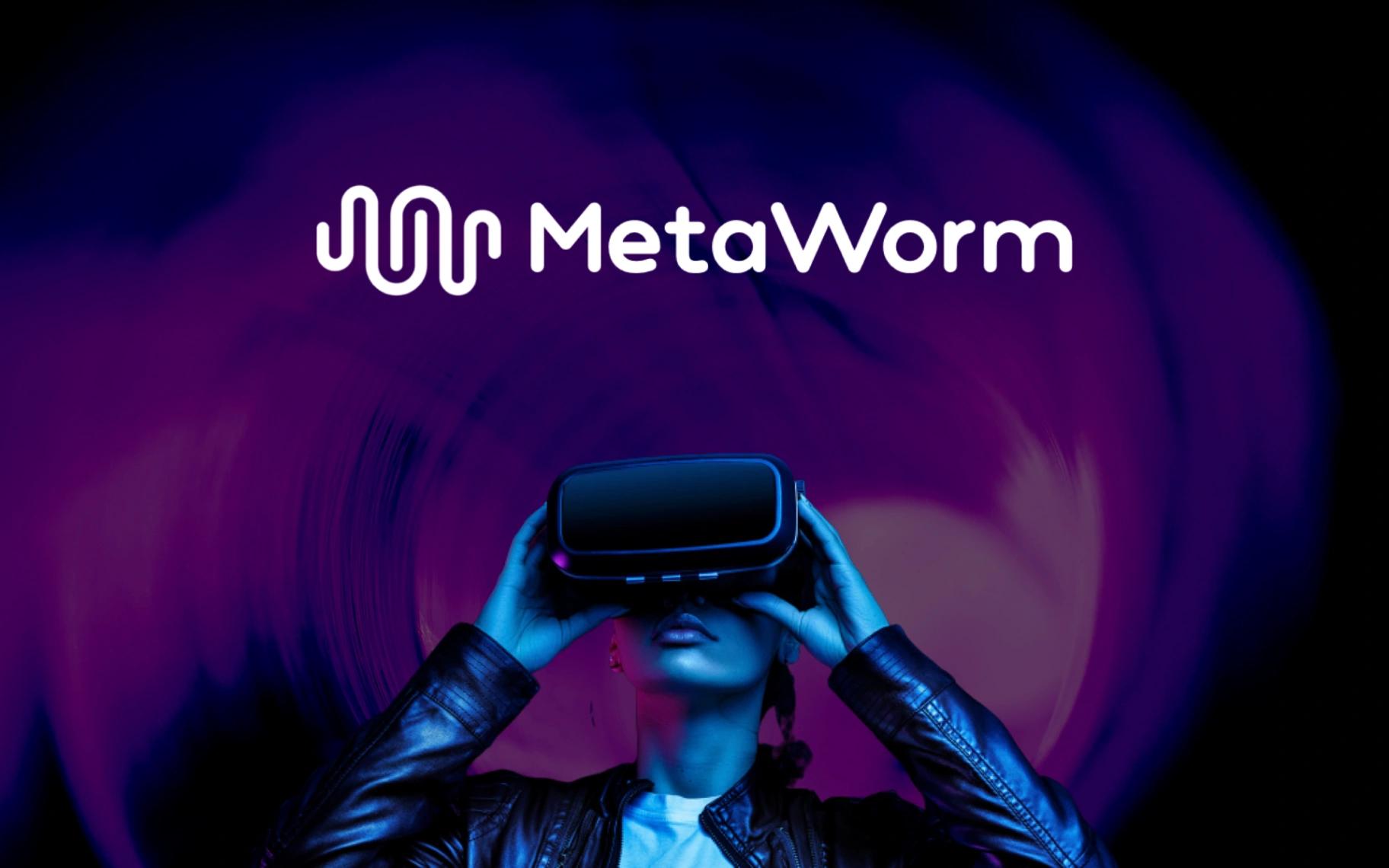
- Brand identity: the MetaWorm logo and a style guide defining the palette, typography, and space and wormhole imagery
- Product design: mobile and web screens, including the venue randomizer that sends users to a new world
- Prototype: a working prototype demonstrating the core experience
- Landing page: a public site built in Softr to collect interest and present the project
- Pitch deck: an investor deck through several versions, covering the problem, the solution, tokenomics, the timeline, the market, the competition, and the ask
How the Pieces Fit
The product screens, the landing page, and the deck all drew on the same style guide. The venue randomizer gave the prototype a single, memorable action to demonstrate, and the deck carried the parts a prototype cannot show: tokenomics, timeline, and the ask.
Outcome
MetaWorm went to investors with a brand, a clickable product, a landing page, and a deck in place of a written proposal.
Stack
Softr for the landing page; Sketch for design.