
Real-World Asset Tokenization Has Reached Escape Velocity
For years, "tokenizing real-world assets" was a pitch deck promise. In 2026, it is a $17 billion reality—and accelerating.
BlackRock's BUIDL fund crossed $2 billion in AUM. Franklin Templeton's on-chain money market fund is processing institutional redemptions in minutes instead of days. And a new generation of platforms is tokenizing everything from commercial real estate to intellectual property royalties.
The experiment is over. Tokenization is infrastructure.Why Now?
Three forces converged to push RWA tokenization past its tipping point:
1. Regulatory Clarity
The EU's MiCA framework, fully operational since mid-2025, provided the legal scaffolding that institutional capital required. In the US, the SEC's evolving stance on tokenized securities—combined with Wyoming's DAO LLC framework and new digital asset custody guidance—has removed enough ambiguity for serious capital to enter.
2. Institutional Infrastructure
Custodians, broker-dealers, and transfer agents have built the plumbing. Tokenized assets now integrate with existing compliance, reporting, and settlement workflows. This is not a parallel financial system—it is an upgrade to the existing one.
3. Demonstrable Efficiency
The economics are irrefutable. Tokenized bond issuance costs 60–80% less than traditional methods. Settlement happens in minutes, not days. Fractional ownership unlocks liquidity in previously illiquid markets. And 24/7 trading availability matches the reality of a global economy.
The Asset Classes That Are Moving
Treasury and Money Market Products
The most mature category. Tokenized treasuries offer on-chain yield with the safety of government-backed instruments. For DeFi protocols and DAOs, this has become the default treasury management strategy.
Private Credit
Tokenized private credit is solving one of finance's oldest problems: the illiquidity premium. By enabling secondary market trading of private credit positions, tokenization is compressing the premium investors demand for locking up capital.
Real Estate
Commercial real estate tokenization is moving beyond pilot projects. Fractional ownership of institutional-grade properties is now available to accredited investors through regulated platforms, with secondary markets providing genuine liquidity.
Commodities and Carbon Credits
Physical commodities backed by verifiable on-chain provenance are creating transparent supply chains. Carbon credit tokenization is enabling real-time verification and retirement, addressing the credibility crisis in voluntary carbon markets.
The Convergence with AI
Here is what most people are missing: AI and RWA tokenization are converging.
Autonomous AI agents managing investment portfolios need programmable, 24/7 settlement layers. Tokenized assets on blockchain rails provide exactly that. We are already seeing AI-managed funds that autonomously rebalance across tokenized treasuries, private credit, and real estate positions.
This convergence creates a flywheel: AI agents increase demand for programmable assets, which drives more tokenization, which creates more opportunities for AI-managed strategies.
What Builders Should Know
If you are building in the RWA space, the competitive landscape has shifted. The question is no longer "should assets be tokenized?" but "what unique value does your platform provide beyond tokenization?"
The winners will be platforms that combine:
- Origination expertise in specific asset classes
- Compliance infrastructure that scales across jurisdictions
- Distribution networks that connect tokenized assets to both crypto-native and traditional buyers
- Secondary market liquidity that makes the tokenization premium real
The $16 Trillion Opportunity
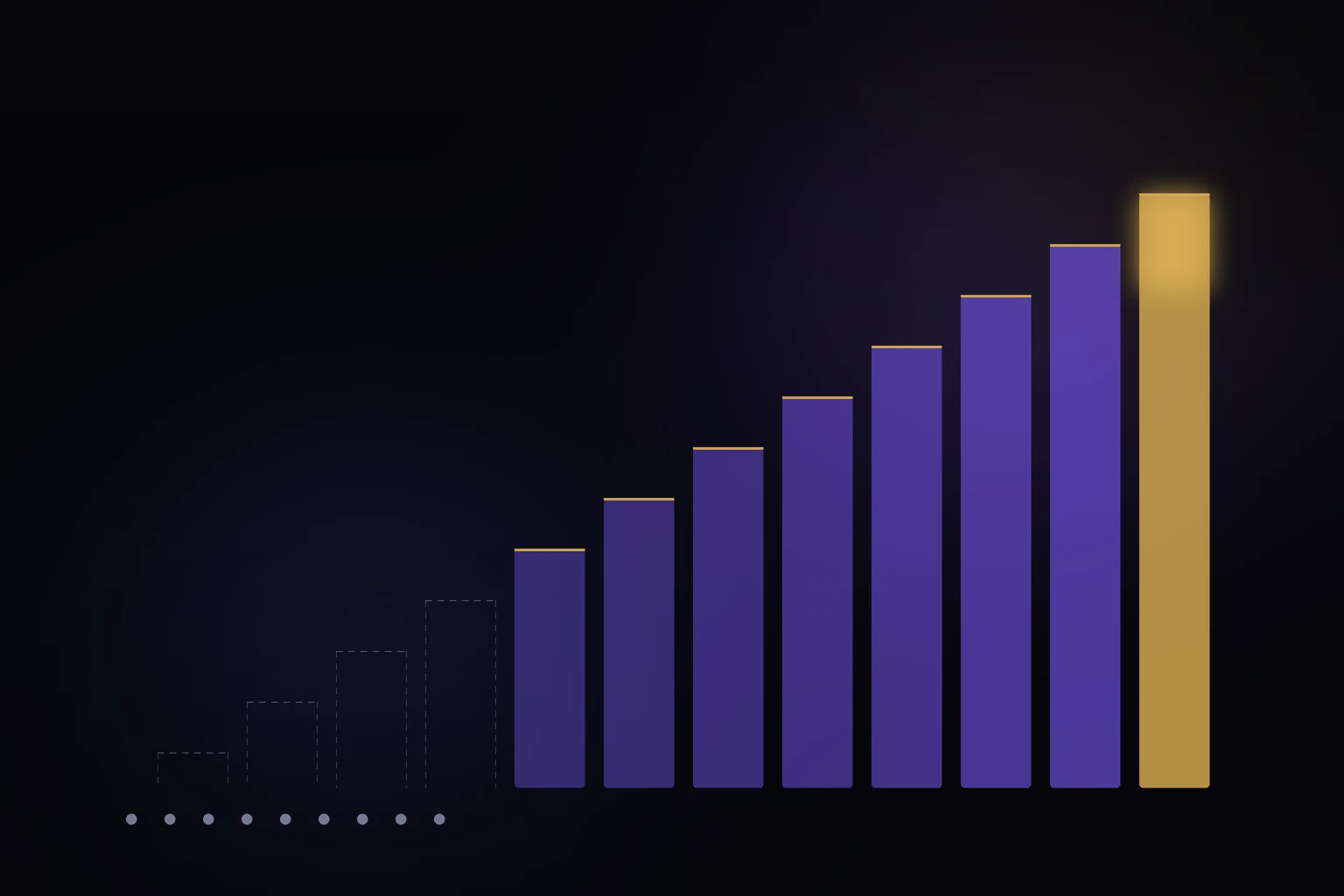
Boston Consulting Group estimates that $16 trillion in assets will be tokenized by 2030. We are at roughly $17 billion today. That means we are at approximately 0.1% penetration of the addressable market.
For founders and investors paying attention, the opportunity is generational. The infrastructure is built. The regulations are clarifying. The institutions are arriving. The only question is who will capture the value.